《Special Feature》The Absolute Solution for Maritime Air Defense ──E-2D Advanced Hawkeye, Part 1
- Sponsored
2026-2-20 00:01
Japan is now being forced to change its defense strategy in the Pacific Ocean, a region dotted with islands rich in precious resources. The first step was to modify JMSDF helicopter carriers Izumo and Kaga to carry F-35Bs STOVL fighter jets, but their coverage area over the vast ocean is limited. Northrop Grumman proposes a solution.
◎This article is a collaborative project with the monthly magazine "J Wing. ◎This is a work of fiction. Any resemblance to actual persons, living or dead, organizations, or events is purely coincidental.
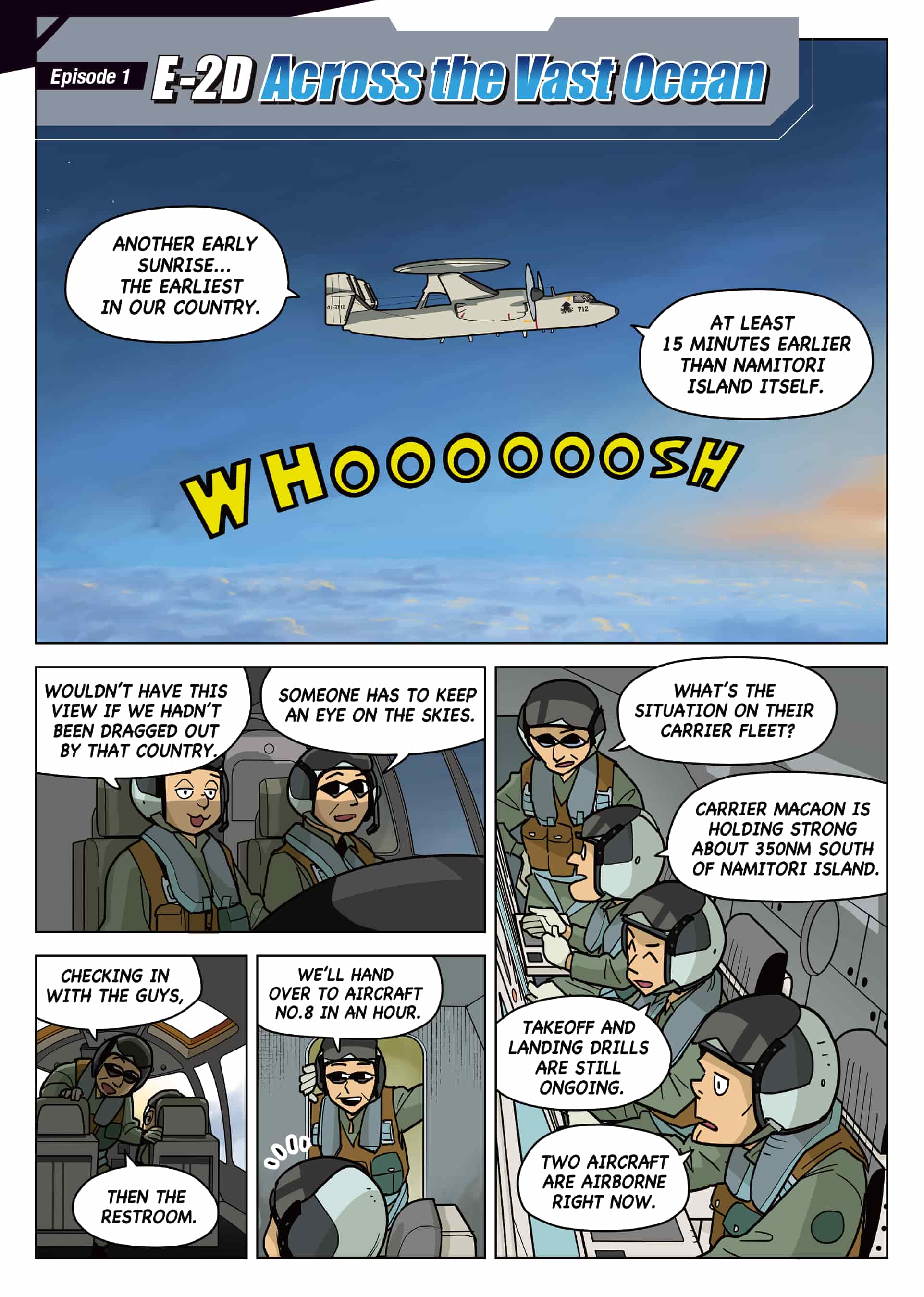
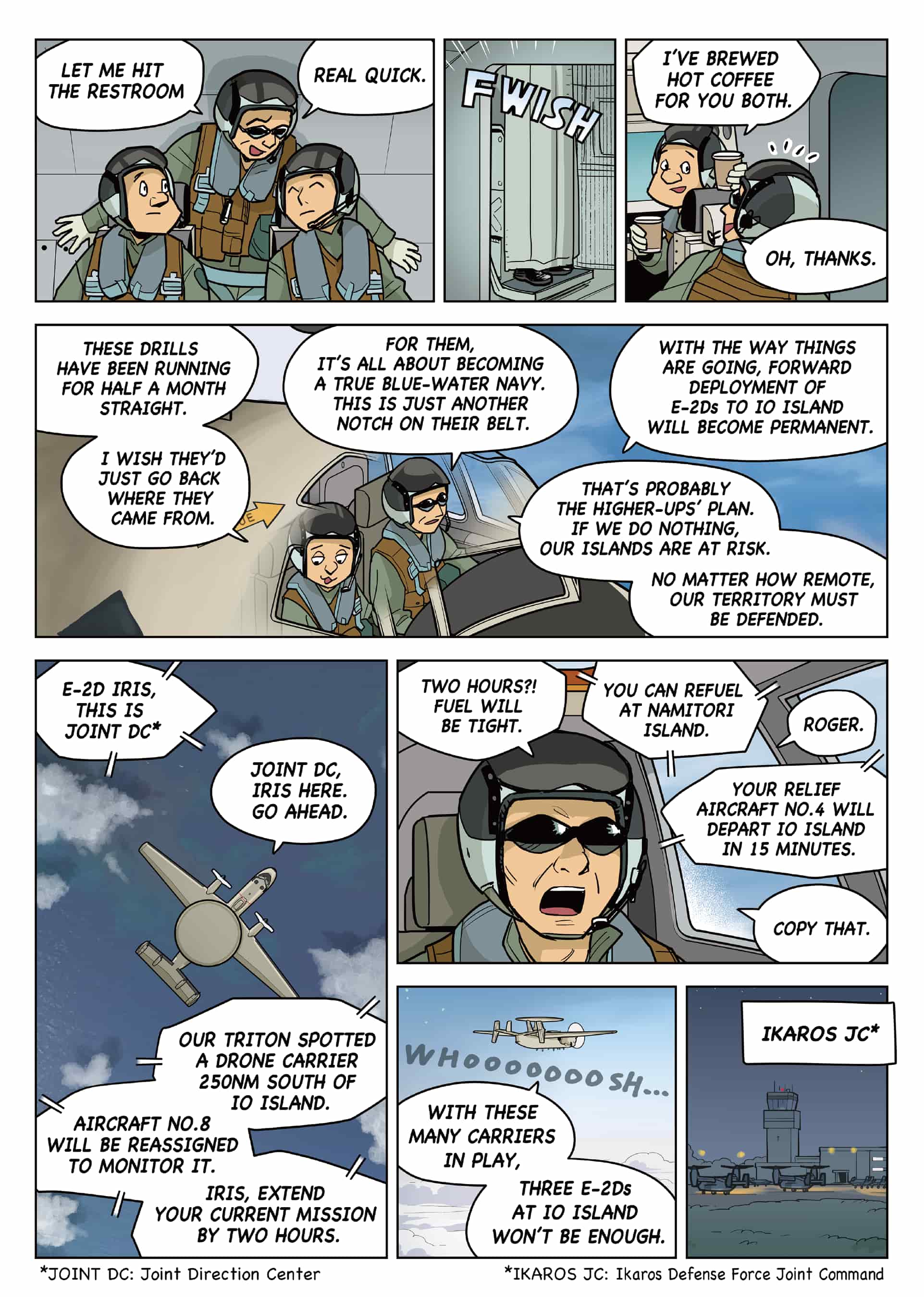
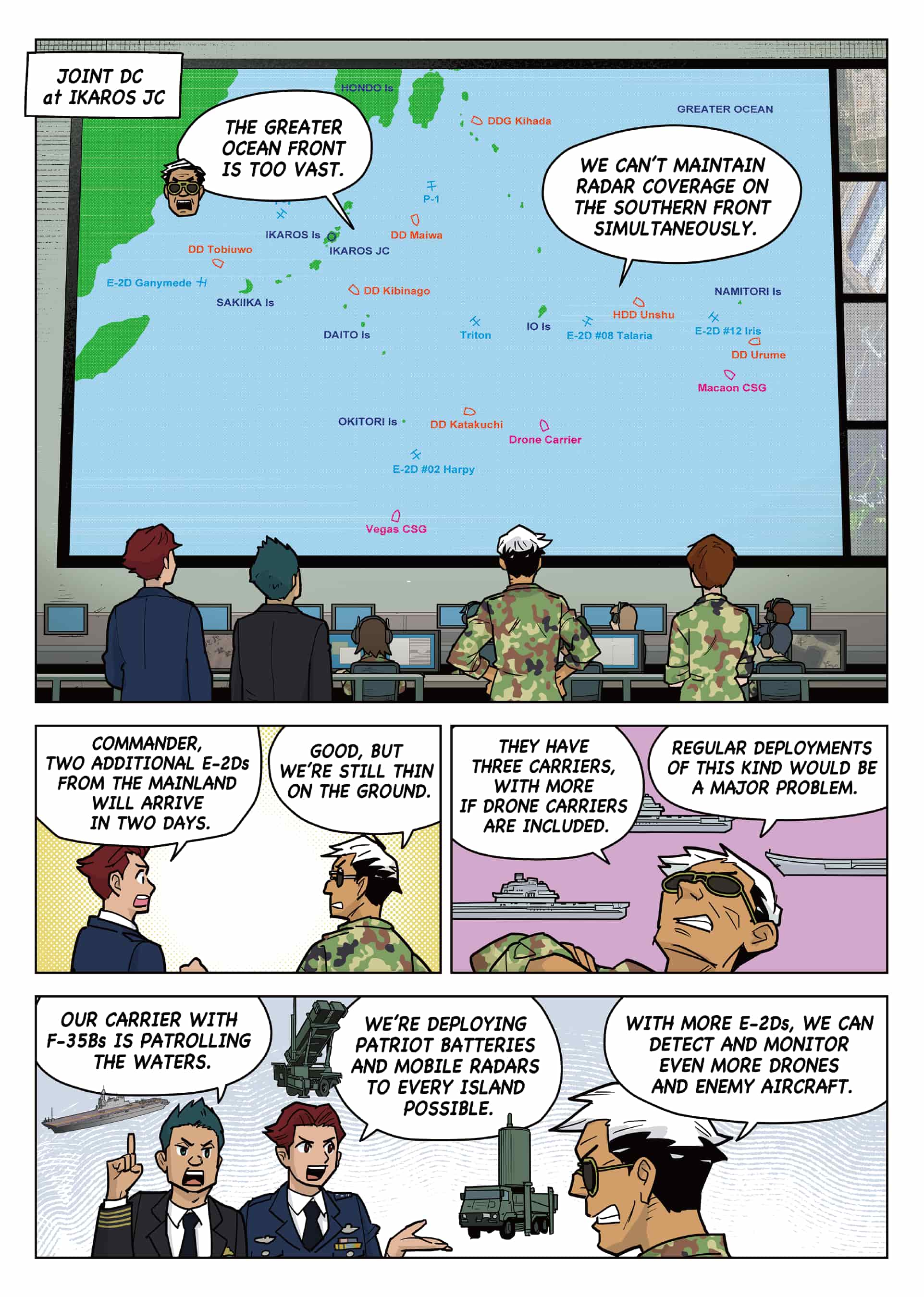
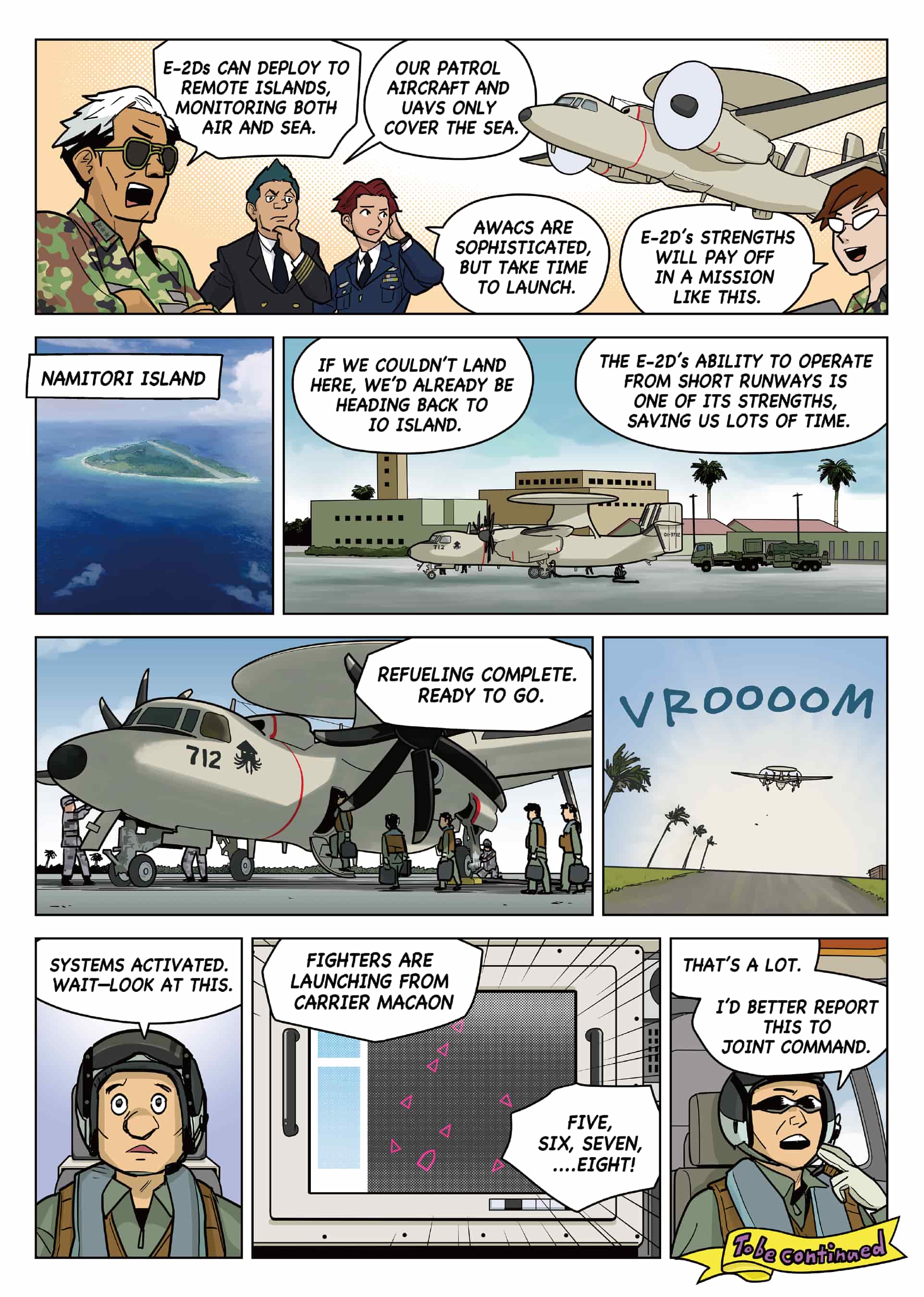
Commentary Article:E-2D and Defense of the Pacific
Islands scattered across vast oceans each generate large exclusive economic zones (EEZ) and contain valuable marine resources. However, the smaller the island, the more vulnerable its defenses tend to be. The key to addressing this challenge is Northrop Grumman’s E-2D. ──Yoshihiro INABA
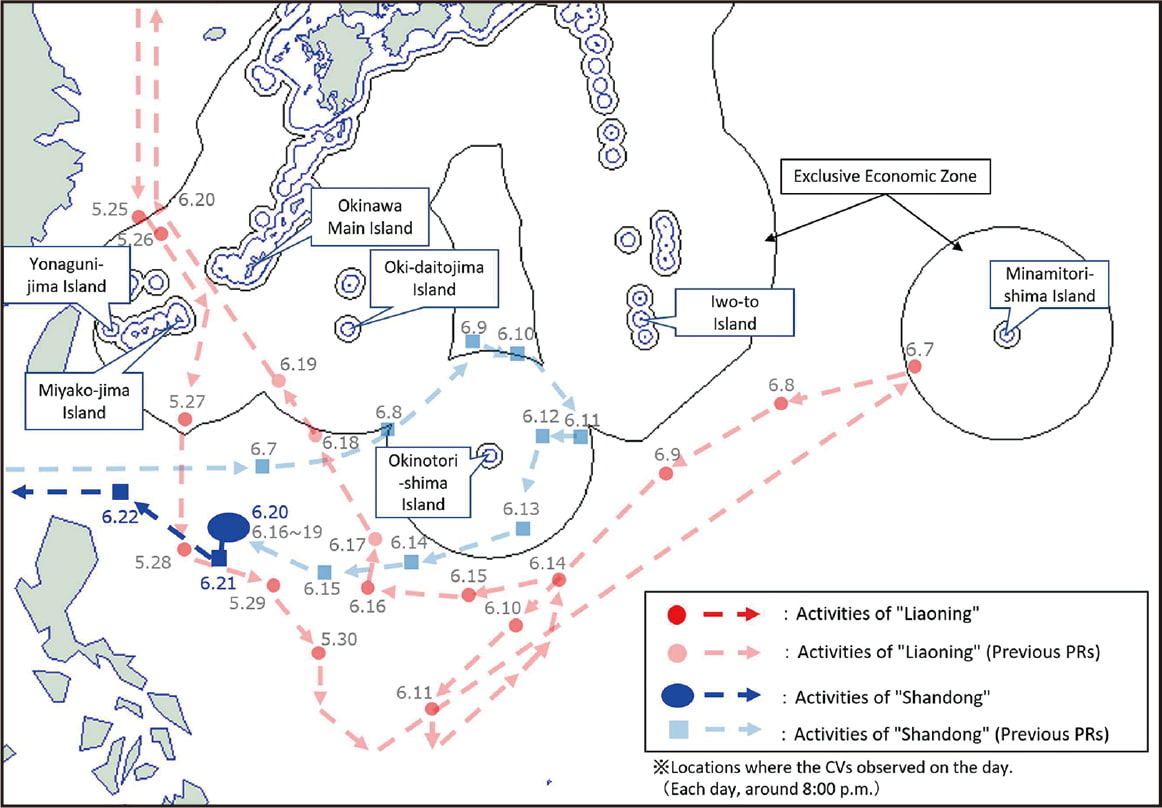
The Chinese Navy's Range of Operations Now Reaches the Easternmost Tip of Japan
From around 2000, Japan's defense buildup has focused primarily on the East China Sea. In response to China's growing military might, which has led to disputes over the Senkaku Islands and Taiwan, Japan has undertaken various initiatives, deploying Maritime Self-Defense Force vessels to the area, stationing Ground Self-Defense Force units in the southwestern islands, including Miyakojima and Ishigakijima, and increasing the number of Air Self-Defense Force aircraft at Naha base. However, in recent years, the threat from China has begun to extend further east, into the Pacific Ocean.
From May to June 2025, the Chinese Navy deployed a fleet led by the aircraft carriers Liaoning and Shandong to the Pacific Ocean, conducting unprecedented combat training exercises. This marked the first time that two Chinese aircraft carriers were deployed simultaneously in the Pacific for repeated aircraft takeoff and landing exercises. The Liaoning was deployed off the coast of Minamitorishima (Japan's easternmost point), located east of the “Second Island Chain” that connects the Ogasawara Islands to Guam, while the Shandong was deployed off the coast of Okinotori Island (Japan's southernmost point), located exactly midway between the “Second Island Chain” and the “First Island Chain” that connects the Southwest Islands to Taiwan. From there, the Liaoning rapidly altered course southwest, narrowing the distance between the two fleets as the training progressed.
The First and Second Island Chains are deeply connected to China's current maritime strategy of “Near Seas Defense and Far Seas Protection.” This strategy calls for the gradual realization of “Near Seas Defense,” which secures national sovereignty within the First Island Chain, and “Far Seas Protection,” which secures national interests beyond the Second Island Chain. Put simply, the concept is to make the First Island Chain an absolute defensive line, and to intercept U.S. Navy carrier strike groups and other such forces in the waters inside the Second Island Chain.
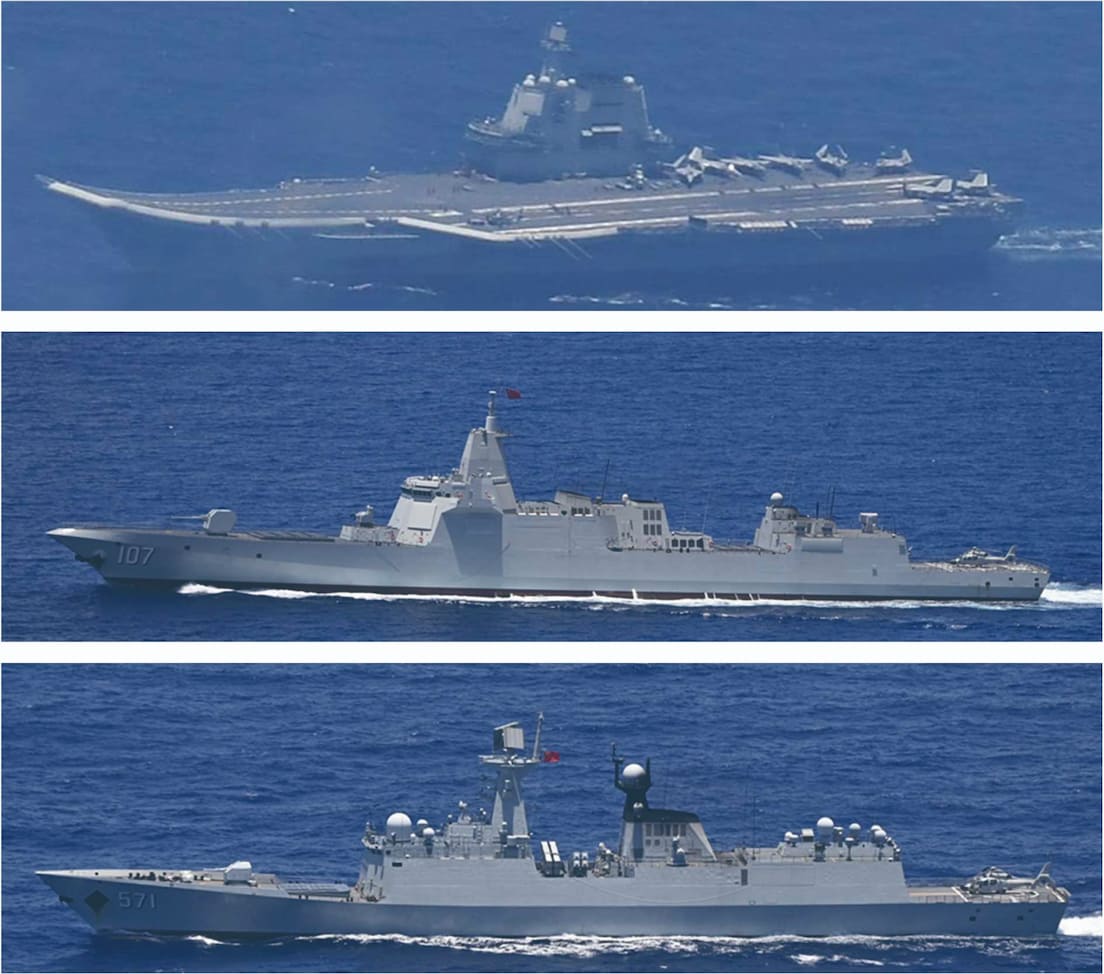
The Pacific Ocean is a vast “defense vacuum”
If China were to fully deploy its three carrier fleets, including its second domestically built aircraft carrier, the Fujian, we can easily imagine that its navy, in particular its carrier strike groups, would become increasingly active in the Pacific. Were this to happen, Japan would not only need to keep a closer eye on peacetime movements of ships and aircraft in the Pacific, but would also need to seriously consider strengthening its air defenses in the event of a contingency.
Deployment of China’s carrier strike groups in the Pacific would also hinder the operations of the US military, which would support Japan in the event of a contingency, and would place Tokyo and other cities on Japan's Pacific coast, as well as Self-Defense Force bases, within range of cruise missiles launched from accompanying Chinese destroyers. The Pacific Ocean is no longer a safe space for Japan.
Given this situation, the Self-Defense Forces face significant defense vulnerabilities in the Pacific. Until now, the term “defense vacuum” has mainly been used to refer to Japan’s Southeast Islands, but it is fair to say that it has now come to refer to the Pacific Ocean as a whole.
Currently, the Air Self-Defense Force has no radar sites in the Pacific Ocean, and aside from Iwo Jima, no air bases with full-scale runways. In light of this situation, the Self-Defense Forces are proceeding with the development of a mobile radar on Kita-Daito Island, and there are media reports that they are considering deploying a similar mobile radar on Minami-Torishima following the previously mentioned deployment of the Chinese aircraft carrier.
However, these ground-based radars inevitably lack mobility on small remote islands due to restrictions on travel routes and deployment areas, and they would likely become priority targets in the event of hostilities. Such radars also pose operational issues, such as the need for measures against salt damage. Above all, such land-based installations can only provide poor radar coverage on remote islands without high mountains, so there is no denying that they are inadequate for monitoring the vast Pacific Ocean.
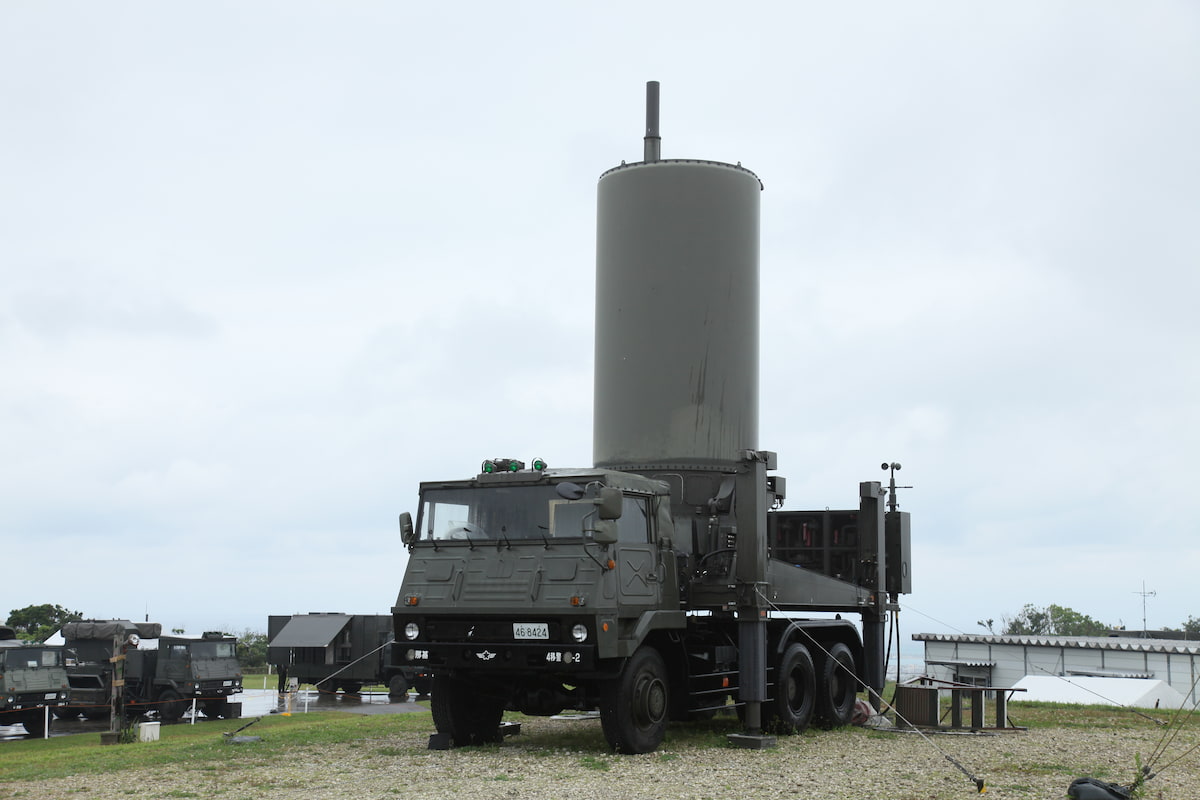
The E-2D can monitor the ocean from a remote island
This is where the presence of AEW and AWACS, which act as “eyes in the sky,” becomes crucial. They can travel out into the Pacific Ocean as needed, and their radar coverage is much wider than that of ground-based or ship-based radars.
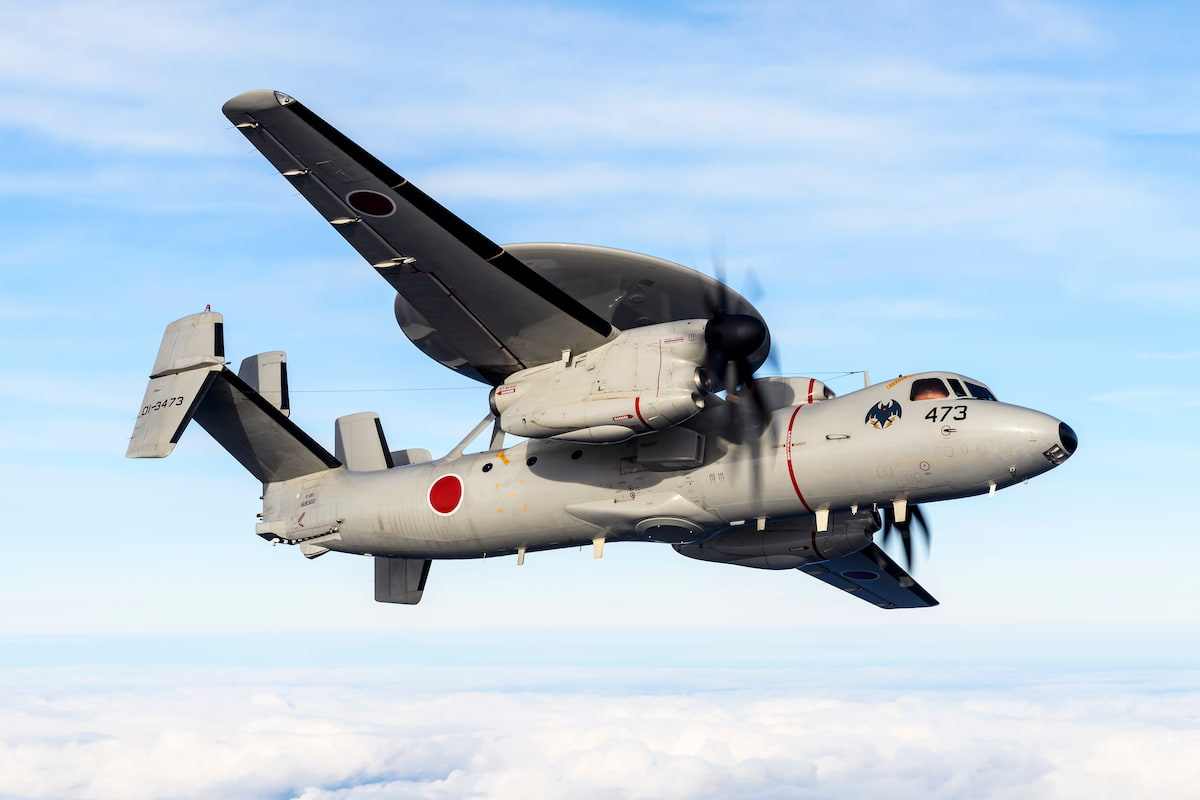
Currently, the Air Self-Defense Force operates the E-767 as an AWACS, and the E-2C and its enhanced successor, the E-2D, as AEW. The E-767 appears useful in terms of flight range and speed for use in operations in the Pacific region, but the runway length required for takeoff and landing makes operation from small airfields on remote islands difficult, and with only four aircraft in operation, it would not be easy to keep it constantly operational in the Pacific.
The E-2D, on the other hand, solves all of these problems. Although slower than the E-767, its takeoff and landing distances are very short due to its origins as a carrier-based aircraft, making operation from small airfields on remote islands, including Minami-Torishima, problem-free. Refueling and personnel changes can be carried out on remote Pacific islands without returning to the mainland, a major advantage when conducting continuous surveillance.
The E-2D's AN/APY-9 radar has a long detection range, and is also capable of detecting air and sea targets with a high degree of accuracy, meaning it can monitor the movements of all aircraft, including bombers, ships, and carrier-based aircraft, as they advance into the Pacific Ocean.
The E-2D operated by the Air Self-Defense Force is a “full wet wing” model with fuel tanks installed inside the wings, allegedly boasting a flight endurance of eight hours. Assuming a cruising speed of 500km/h (270kt), a simple calculation shows that its flight range is approximately 4,000km (2,160nm), which would enable deployment from the Japanese mainland to remote islands. Use as a base for operations on remote islands would enable surveillance over an even wider area for longer periods of time.
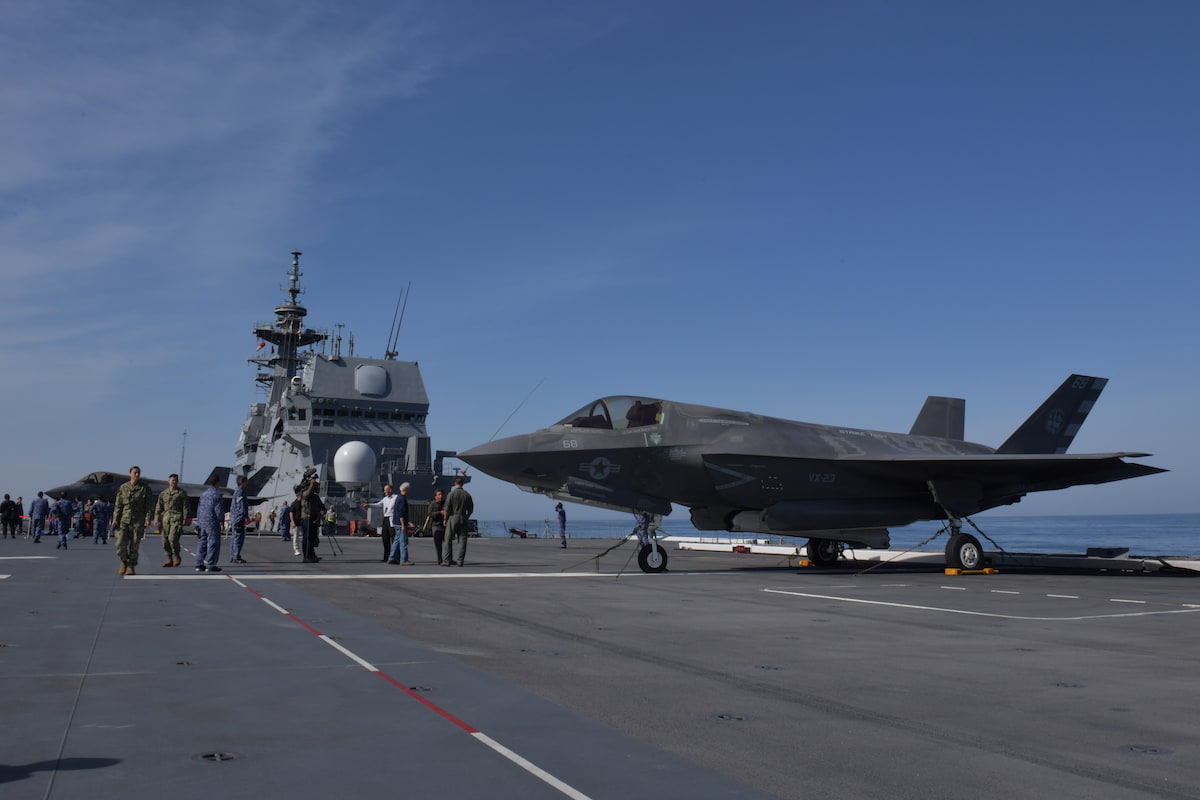
Cooperation with the Izumo-class F-35B will increase flexibility of maritime operations
As part of Japan’s efforts to strengthen its air defense capabilities in the Pacific, the Self-Defense Forces are currently promoting plans to modify Izumo-class helicopter carriers to accommodate the F-35B stealth fighter, which is capable of short takeoff and vertical landing (STOVL). This will enable the Self-Defense Forces to establish a system capable of swiftly conducting warning and surveillance and countermeasures against intrusions into Japanese airspace in peacetime, and of conducting air defense against various missiles and aircraft in times of an armed attack.
However, neither the Maritime Self-Defense Force nor the Air Self-Defense Force currently has any AEW aircraft, which can be operated on the STOVL carrier, making it difficult to monitor aircraft activity across the entire Pacific Ocean.
This is why it is important for Japan to deploy E-2Ds on remote islands. E-2Ds taking off from such locations can provide the targeting information necessary for intercepting fighter jets, including F-35Bs, to counter airspace violations, and to utilize data links to gain an advantage in combat in the event of a contingency.
Were the E-2D crew to be given an additional tactical control role rather than simply operating as a “airborne radar station,” it would enable F-35Bs to more flexibly counter airspace violations and carry out air defense maneuvers in the vast Pacific Ocean.
At the time of writing, the Air Self-Defense Force operates nine E-2Ds, and plans to gradually replace the older E-2Cs, with a total of 18 E-2Ds scheduled for future deployment. However, given the circumstances described above, Japan should consider increasing the number of such aircraft in the future.
Ranking読まれている記事
- 24時間
- 1週間
- 1ヶ月
- 防衛省、職員給与の改正案を第222回臨時国会に提出(10月9日)
- 人事発令 令和8年10月13日付け、1佐人事(海自1名)
- 防衛省関係者966名が受章 第47回危険業務従事者叙勲(令和8年10月10日)
- 陸自・西部方面隊、九州・沖縄における活動についての説明資料を公開(10月9日)
- 九州防衛局「25式地対艦誘導弾」地上装置展示の説明資料を公開(10月9日)
- 横田基地で米軍が演習「ビバリー・モーニング 27-01」実施予定(10月14日~10月24日)
- 陸上自衛隊健軍駐屯地で「25式地対艦誘導弾」地上装置の展示を開催(10月3日)
- 防衛省、「即応宇宙輸送能力」の実現に向けて幅広い提案を募集(10月9日)
- 航空自衛隊がブルーインパルスの2026年度展示飛行スケジュールを更新(5月25日)
- 人事発令 令和8年8月1日・2日・3日付け、1佐職人事(陸自241名、海自20名、空自56名)
- 防衛省関係者966名が受章 第47回危険業務従事者叙勲(令和8年10月10日)
- 人事発令 令和8年10月5日付け、1佐職人事(海自3名)
- 川崎重工、低NOx水素燃焼器を搭載した航空エンジンの運転試験に日本初成功(10月8日)
- 三菱重工、下関市の人工島「長州出島」の用地を取得 三菱造船の建造能力拡大へ(10月2日)
- 防衛省、管理職隊員の再就職状況を公表 令和8年4~6月分(10月2日)
- 防衛省、職員給与の改正案を第222回臨時国会に提出(10月9日)
- 航空自衛隊がブルーインパルスの2026年度展示飛行スケジュールを更新(5月25日)
- 人事発令 令和8年10月13日付け、1佐人事(海自1名)
- 横田基地で米軍が演習「ビバリー・モーニング 27-01」実施予定(10月14日~10月24日)
- 防衛省、管理職隊員の再就職状況を公表 令和7年度の計184件(10月2日)
- 《特集》ブルーインパルスが愛知の空へ!「愛知・名古屋2026大会」どこで見る? どこで撮る?
- 防衛省関係者966名が受章 第47回危険業務従事者叙勲(令和8年10月10日)
- 航空自衛隊がブルーインパルスの2026年度展示飛行スケジュールを更新(5月25日)
- 人事発令 令和8年9月18日付け、1佐職人事(海自1名)
- 人事発令 令和8年10月5日付け、1佐職人事(海自3名)
- 川崎重工、低NOx水素燃焼器を搭載した航空エンジンの運転試験に日本初成功(10月8日)
- 人事発令 令和8年8月1日・2日・3日付け、1佐職人事(陸自241名、海自20名、空自56名)
- 三菱重工、下関市の人工島「長州出島」の用地を取得 三菱造船の建造能力拡大へ(10月2日)
- 防衛省、管理職隊員の再就職状況を公表 令和8年4~6月分(10月2日)
- 森田空幕長が記者会見 グローバルホーク回収、F-15事故、GCAPに言及(9月29日)